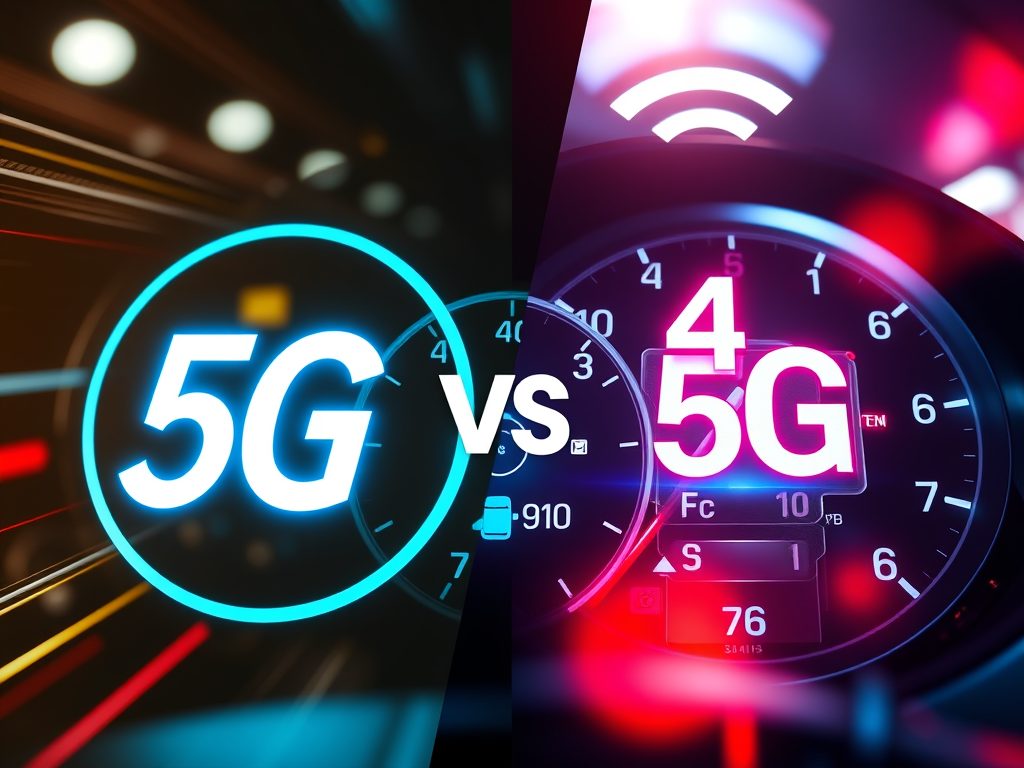
4G vs 5G: THE FUTURE OF CONNECTIVITY AND YOUR DEVICES
Here’s a simple, traditional-style breakdown of 4G vs 5G — think of it like comparing a trusty old diesel engine with a modern high-performance hybrid:
Speed
- 4G: Speeds range around 20–100 Mbps in real-world use. Good enough for streaming, video calls, and most internet tasks.
- 5G: Can reach 1–10 Gbps — up to 100x faster than 4G in ideal conditions. That’s like downloading a full HD movie in just seconds.
Latency (Response Time)
- 4G: Around 30–50 milliseconds. There’s a slight delay in communication.
- 5G: As low as 1 millisecond — nearly real-time. This matters a lot for remote surgeries, autonomous cars, and online gaming.
Capacity & Connectivity
- 4G: This can support a fair number of devices but gets bogged down in crowded areas (like concerts or malls).
- 5G: Designed to handle massive device connections — perfect for smart cities, IoT devices, and WiFi zones like yours with heavy user traffic.
Technology Used
- 4G: Uses frequencies below 6 GHz.
- 5G: Uses a broader spectrum, including millimeter waves (24 GHz and above) — faster but with shorter range and needs more infrastructure like small cell towers.
Infrastructure Requirements
- 4G: Fewer towers needed; good range.
- 5G: Needs many more small cell sites close to users to maintain speed and connection.
In Real Life:
If 4G is like a wide and solid provincial highway, 5G is like a high-speed train — efficient, fast, and built for the future. But like any new railway system, it needs time, investment, and coverage to fully benefit everyone.
Let me know if you want a business-focused comparison too — especially if you’re thinking of upgrading or integrating 5G in your DXt zones.
DXT PACKAGE B – CAPABLE OF BOTH 4GHZ and 5GHZ