
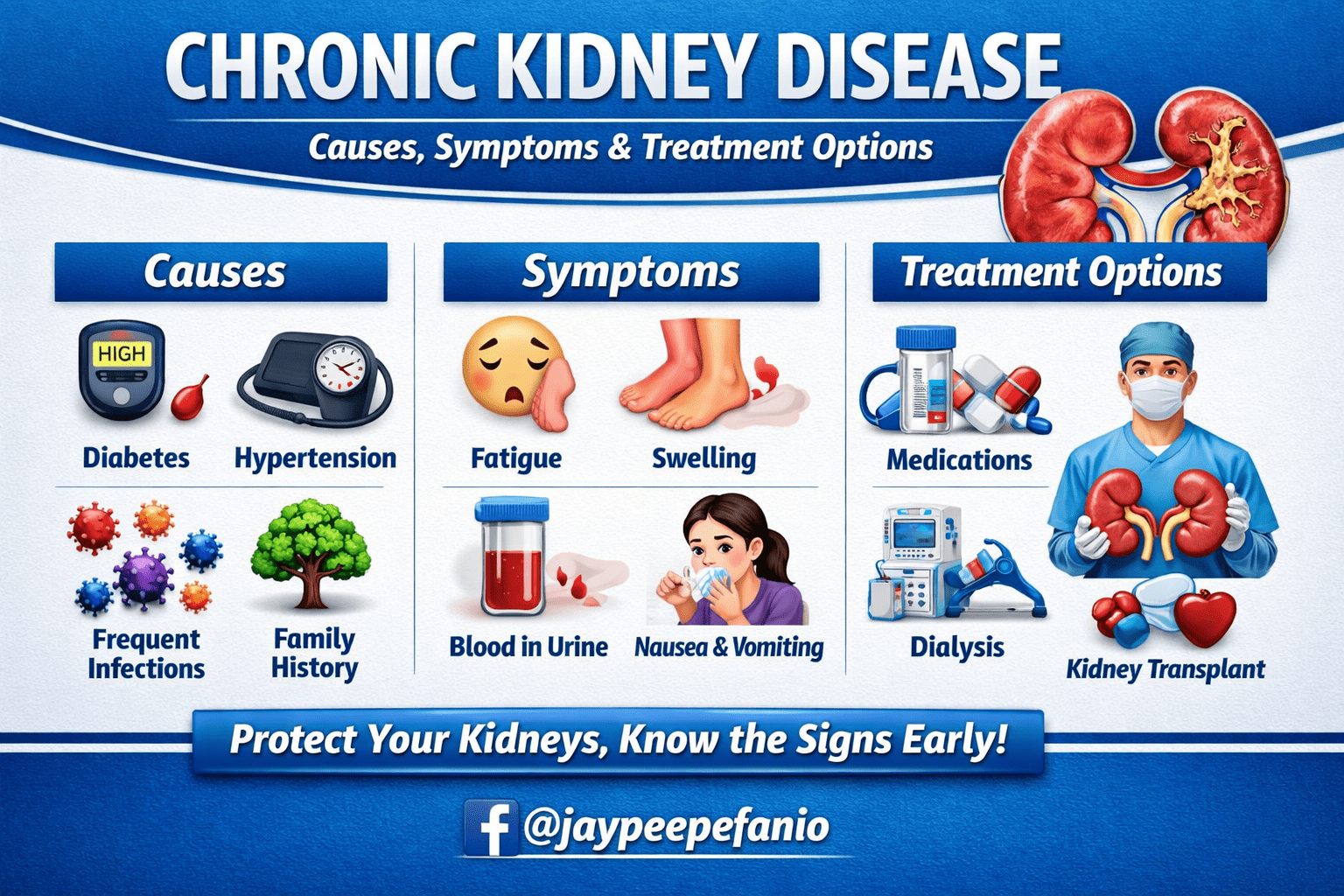
Chronic Kidney Disease: Causes, Symptoms, and Treatment Options
Understanding Chronic Kidney Diseases
Chronic kidney diseases are long-term conditions that affect how well the kidneys filter waste and extra fluid from the blood. Because the kidneys help control blood pressure, balance electrolytes, and support red blood cell production, damage to these organs can influence many parts of the body.
The challenge with chronic kidney diseases is that symptoms may develop slowly. In the early stages, many people feel fine and do not realize anything is wrong. That is why regular checkups and early detection matter so much.
What Causes Chronic Kidney Diseases?
There are many possible causes of chronic kidney diseases, and some people have more than one at the same time.
Common risk factors include:
- Diabetes
- High blood pressure
- Heart disease
- Family history of kidney disease
- Obesity
- Smoking
- Recurrent kidney infections
- Autoimmune disorders
Diabetes and high blood pressure are among the most common causes. Over time, high blood sugar can damage tiny blood vessels in the kidneys, while uncontrolled blood pressure can strain and scar kidney tissue.
Signs and Symptoms to Watch For
Chronic kidney diseases often progress quietly. When symptoms do appear, they may be easy to overlook or mistake for something else.
Possible symptoms include:
- Fatigue or weakness
- Swelling in the feet, ankles, or hands
- Changes in urination
- Trouble concentrating
- Loss of appetite
- Nausea
- Dry or itchy skin
- Muscle cramps
- Shortness of breath
These symptoms do not always mean kidney disease, but they should be discussed with a healthcare professional, especially if you have risk factors.
How Chronic Kidney Diseases Are Diagnosed
Doctors usually diagnose chronic kidney diseases with blood and urine tests, along with a medical history and physical examination.
Common tests include:
- Blood creatinine test: Helps estimate how well the kidneys are filtering
- Urine albumin test: Checks for protein in the urine, which can be an early sign of kidney damage
- Estimated glomerular filtration rate (eGFR): Measures kidney function
- Imaging tests: May help identify structural problems
- Blood pressure checks: High blood pressure can both cause and worsen kidney damage
The earlier the condition is identified, the more can be done to slow its progression.
Managing Chronic Kidney Diseases
Although chronic kidney diseases cannot always be cured, many people can slow the progression and manage symptoms with the right care.
Treatment may include:
Controlling blood pressure
Blood pressure medicines, especially certain types that protect the kidneys, are often part of treatment.Managing blood sugar
For people with diabetes, keeping glucose levels in range can reduce further damage.Adjusting diet
Some people may need to limit sodium, protein, potassium, or phosphorus depending on kidney function and medical advice.Using medications carefully
Certain pain relievers and other drugs can stress the kidneys, so medication choices matter.Treating complications
Anaemia, bone disease, and fluid buildup may need separate treatment.Regular monitoring
Ongoing lab tests help track kidney function and guide care decisions.
Lifestyle Habits That Support Kidney Health
Healthy habits cannot reverse all kidney damage, but they can make a meaningful difference in overall kidney health.
Helpful steps include:
- Staying physically active
- Eating a balanced diet
- Drinking fluids as advised by a doctor
- Avoiding tobacco
- Limiting alcohol
- Maintaining a healthy weight
- Keeping blood pressure and blood sugar under control
Even small changes can add up over time, especially when they are consistent.
When to Seek Medical Help
If you have diabetes, high blood pressure, or a family history of kidney problems, it is wise to ask about kidney screening. You should also seek medical attention if you notice swelling, changes in urination, persistent fatigue, or unexplained nausea.
Chronic kidney diseases are easier to manage when they are detected early. Waiting until symptoms become severe can limit treatment options.
Living Well With Chronic Kidney Diseases
A diagnosis of chronic kidney disease can feel overwhelming, but many people continue to live active, meaningful lives with proper care. The key is staying informed, following treatment plans, and keeping regular appointments with healthcare providers.
Understanding the condition makes it easier to take action. By recognising risk factors, watching for symptoms, and supporting kidney health through daily habits, it is possible to protect kidney function and improve long-term outcomes.